Introduction
Hiring a contractor for home improvement or construction projects can be a daunting task. Homeowners often find themselves in a dilemma: should they hire licensed bonded and insured contractors, or is it acceptable to hire an unlicensed contractor? This article delves deep into the nuances of this decision, focusing on when hiring an unlicensed contractor might be acceptable and the risks associated with such choices.
When embarking on any construction or renovation project, understanding the legalities and potential pitfalls of hiring unlicensed labor is crucial. Could you save money initially but end up paying more in the long run if something goes wrong? Let’s explore these questions and more as we weigh the risks of hiring unlicensed contractors.
Understanding Licensed Bonded and Insured Contractors
What Does "Licensed" Mean?
A licensed contractor has met specific state requirements that verify their skills, knowledge, and adherence to local codes. Licensing ensures that they are qualified to perform work safely and effectively.
The Importance of Being Bonded
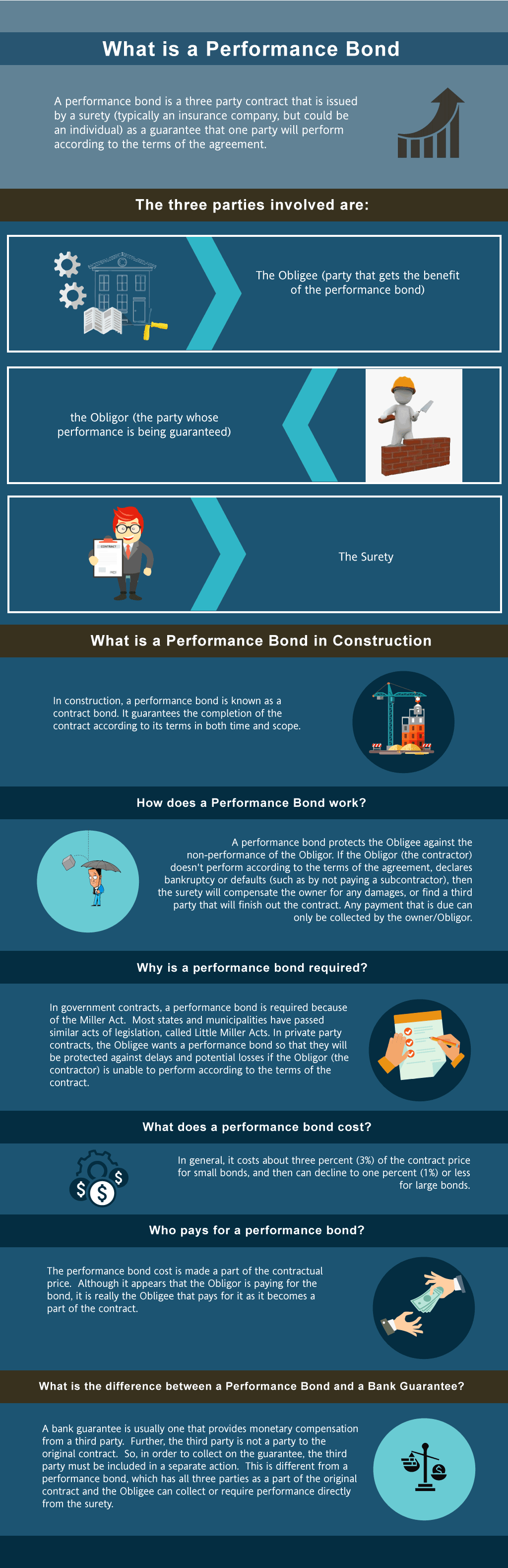
Being bonded means that a contractor has taken out a surety bond, which Homepage protects consumers from incomplete or shoddy work. If the contractor fails to meet their contractual obligations, the bond provides financial recourse for homeowners.
Why Insurance Matters
Insurance protects both the homeowner and the contractor during a project. If an accident occurs on-site—whether it's damage to property or injury to workers—insurance can cover those costs, saving you from potential legal battles.
When Is It Acceptable to Hire an Unlicensed Contractor? Weighing the Risks
Minor Repairs vs. Major Renovations
One scenario where hiring an unlicensed contractor could be acceptable is for minor repairs rather than major renovations. For small jobs like repairing drywall or painting, some may choose unlicensed help due to lower costs.
Budget Constraints
If you're operating under tight financial constraints, you might contemplate hiring an unlicensed contractor for lower rates. However, consider whether saving money upfront is worth potential future expenses.
Emergency Situations
Sometimes emergencies arise—think burst pipes or storm damage—when immediate action is necessary. In such cases, homeowners may opt for quick solutions involving unlicensed contractors. Yet, this approach carries its dangers.
The Risks Associated with Hiring Unlicensed Contractors
Quality of Work Concerns
Unlicensed contractors might lack the training and experience necessary for quality work. This often leads to issues down the line, including costly repairs that could have been avoided with properly licensed professionals.
Legal Complications
If something goes awry during a project with an unlicensed contractor—such as property damage or worker injuries—you may have limited legal recourse compared to working with licensed bonded and insured contractors who follow legal protocols.
Potential Safety Hazards
Not all unlicensed contractors adhere to safety regulations; this negligence can lead to dangerous work environments that put everyone at risk.
Evaluating Your Options: Pros and Cons Table
| Pros | Cons | |----------------------------------|-------------------------------------------| | Lower initial cost | Potentially poor quality of work | | Quick availability | Limited legal recourse | | Immediate response in emergencies | Possible safety hazards | | Flexibility in negotiation | Risk of fines if caught using unlicensed labor |
How to Choose Wisely: Tips for Hiring Contractors
Check References and Reviews
Before deciding on any contractor—whether licensed or unlicensed—it's wise to check references and reviews online. Look for feedback regarding their reliability, quality of work, and customer service.
Verify Credentials
For licensed contractors, always verify their credentials through your state’s licensing board. With unlicensed contractors, ensure they have relevant experience before committing.
Get Everything in Writing
Regardless of whether you hire a licensed or unlicensed contractor, ensure every detail is documented in a contract. This documentation will safeguard your interests if disputes arise later on.
Common Myths About Unlicensed Contractors
Myth 1: All Unlicensed Contractors Are Scammers
While some may operate dishonestly, not all unlicensed contractors are out to deceive homeowners; many are skilled tradespeople seeking opportunities without formal licenses.
Myth 2: Licensed Contractors Are Always Better
Just because someone holds a license does not guarantee high-quality work; thorough research is still essential regardless of licensing status.
Understanding State Regulations Regarding Licensing
Every state has different laws concerning contracting licenses. Familiarize yourself with your state’s requirements before making any decisions about hiring contractors.
Frequently Asked Questions (FAQs)
1. What are the risks associated with hiring an unlicensed contractor?
Hiring an unlicensed contractor can result in poor workmanship, limited legal protections, safety hazards on-site, and potential fines if caught violating local regulations.
2. How do I know if my contractor is properly licensed?
You can verify a contractor's license through your state’s licensing board website where they typically provide verification tools for consumers.
3. Are there scenarios where I should consider hiring an unlicensed contractor?
Yes, minor repairs under budget constraints or emergency situations might warrant consideration; however weighing risks remains critical before proceeding.
4. What happens if my project encounters issues when using an unlicensed contractor?
You may face challenges regarding liability issues since legal protections typically granted when using licensed professionals won't apply here.
5. Can I request proof of insurance from my contractor?
Absolutely! Requesting proof of insurance from any hired professional is prudent as it protects you against liabilities arising from accidents during their work on your property.
6. What documentation should I ask for before hiring anyone?
Conclusion
In conclusion, while there are scenarios where it might be tempting to hire an unlicensed contractor due to cost savings or urgent needs—doing so comes with significant risks that can outweigh short-term benefits. Licensed bonded and insured contractors provide peace of mind through their qualifications and adherence to safety standards which ultimately protects homeowners’ investments over time!
Navigating this decision requires careful consideration; evaluate all factors involved thoroughly before making your choice so you don’t end up regretting it later! Always prioritize safety regulations alongside quality assurance when selecting who’ll handle important tasks around your home sweet home!